Unpacking the Importance of Omnichannel Strategies in Tyre Retailing
How tyre retailers can deploy omnichannel marketing, craft brand zones and partner for higher conversions and faster fitments.
Unpacking the Importance of Omnichannel Strategies in Tyre Retailing
Omnichannel marketing has moved beyond a buzzword — for tyre retail it is now a core retail strategy that connects online research, local fitment availability and brand-first experiences under one measurable roof. This guide explains why omnichannel matters, how tyre retailers can learn from high-performing partnerships, and the practical steps to create dedicated in-store brand zones that lift conversion, retention and margin.
Throughout this article you'll find real-world analogies, examples from adjacent retail sectors and actionable checklists designed for tyre shop owners, buying teams and retail strategists who must convert consumer engagement into sales while keeping local fitment logistics simple and transparent.
For an example of how technology and analogue experiences combine in other industries, see how location tech helps remote travellers in our compendium on Tech Tools for Navigation.
1. Why Omnichannel Matters in Tyre Retailing
Consumer behavior: research online, buy local (or vice versa)
Modern tyre buyers typically start their journey online: they compare tyre types, brand claims, and local fitment availability before visiting a shop or booking an appointment. Research from adjacent verticals shows the same pattern: shoppers research digitally but still value immediate local fulfilment. For practical lessons on local deal-seeking behaviour, our Best Practices for Finding Local Deals on Used Cars article breaks down how consumers move from discovery to local purchase — the same funnel applies to tyre retail.
Margin and inventory efficiency
An omnichannel approach allows tyre retailers to route demand to the best inventory: centrally held stock for popular SKUs, brand-partnered allocations for premium tyres, and local shop inventories for urgent fitments. Fleet and performance segments particularly benefit from routing to nearby partners quickly, reducing expedited shipping costs and lost-opportunity sales.
Competitive differentiation through service
Service differentiators such as same-day fitting, brand-exclusive offers, and dedicated brand experiences are easier to communicate and deliver when channels are unified. Retailers that combine transparent pricing online with instant fitment booking see higher conversion and fewer customer disputes around hidden fees.
2. What Successful Omnichannel Partnerships Look Like
Shared inventory and local fulfilment agreements
High-performing partnerships often use shared inventory systems and clear SLAs for fulfilment. This mirrors collaboration models in other sectors: for example, hospitality and transport partnerships that coordinate availability and visual content — see how car rental operators enhance the customer experience through strong visual assets in Boosting Your Car Rental Photo Opportunities. Tyre retailers can adopt the same discipline for product imagery and stock transparency.
Co-branded marketing and experiential events
Brands that partner for experiential events generate loyalty faster than stand-alone promos. Creative cross-category examples include weekend activations and curated events; for ideas on calendared promotions see Weekend Highlights: Upcoming Matches and Concerts, which illustrates how scheduling attention windows drives footfall.
Shared KPIs and revenue-sharing models
Best-in-class partnerships set mutual KPIs: conversion from digital clicks to bookings, average order value uplift from brand zones, and return rates for promo tyres. Clear revenue-sharing reduces disputes and makes co-funded trials for brand zones easier to greenlight.
3. Creating Dedicated Brand Zones: Strategic Rationale
Why brand zones outperform generic displays
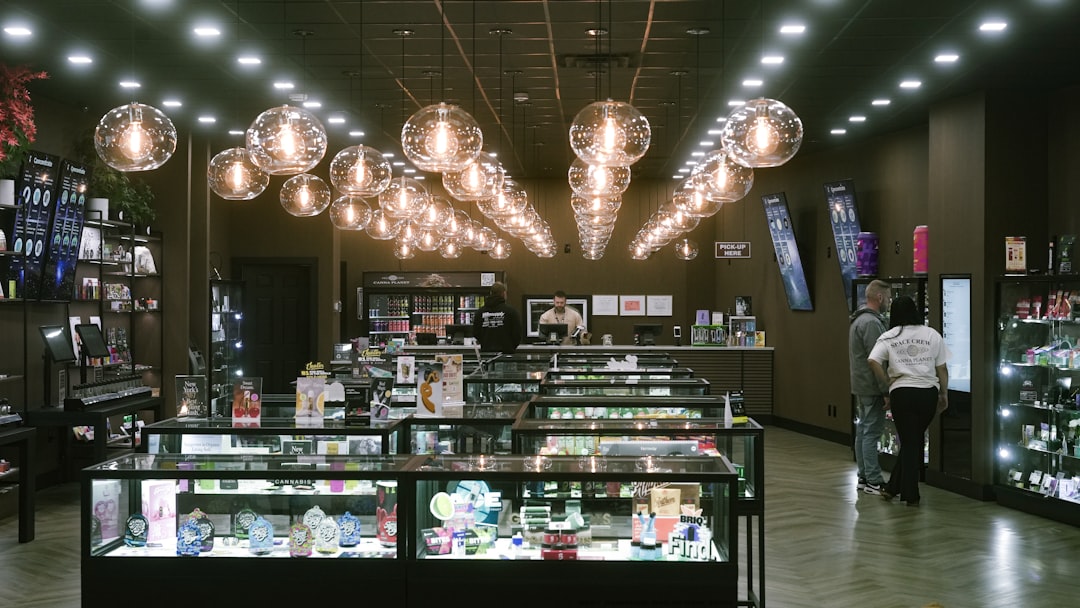
Dedicated brand zones reduce choice overload and accelerate trust. When a shopper sees a curated space with clear brand messaging, spec sheets, and fitment options, they make decisions faster. Retailers who design zones by customer intent (performance, touring, winter, EV-specific) make it even easier to cross-sell services such as wheel alignment and TPMS calibration.
Brand sponsorship and co-investment models
Many tyre brands will co-invest in a physical presence if the business case is clear: guaranteed display area, trained staff, and measurable uplift. The retail practice of co-investment has parallels in other verticals where suppliers underwrite in-store displays; small retailers can pilot with a compact rack and scale if performance metrics are met.
Design principles for effective brand zones
Design matters: use modular fixtures, clear signage for tyre sizes, and QR codes that link to online spec pages and fitment times. For seasonal activation ideas — think Easter and other calendar hooks — check our guide to creative merchandising in The Ultimate Guide to Easter Decorations Using Nature-Inspired Materials. Seasonal displays are a simple way to refresh zones and sustain repeat visits.
4. Store Layout and Visual Merchandising: Lessons From Other Retailers
Flow and sightlines
Your shop's layout must lead a customer from the entry to consultation or booking seamlessly. Use sightlines to highlight brand zones, fitment counters, and waiting areas. Small touches like curated displays and product storyboards can dramatically improve time-in-store conversion rates.
Creating comfortable waiting zones that convert
If customers wait for fitting, turn that downtime into conversion: in-store tablets with tyre comparison tools, tyre care tips, and limited-time offers for wheel balancing or warranty add-ons. Brands in other sectors use ambient comforts to retain customers; for a taste of sensory retail, see how scent and atmosphere are used in home well-being spaces like Aromatherapy at Home.
Seasonal and experiential micro-areas
Micro-areas for seasonal tyres (winter, all-season) or EV-specific tyres work as rotating showcases. Inspiration for modular and stylish displays comes from small-format living improvements like an Affordable Patio Makeover — retail presentation drives perceived value and justifies premiums.
5. Online-Offline Integration: Systems, Tools and a Comparison Table
Essential tech stack
Integrate real-time inventory, appointment booking, and POS. Use local inventory ads, slot-based booking, and fitment scheduling tied to stock levels. For navigation UX and location features, lessons from outdoor tech are applicable: see Tech Tools for Navigation for ideas on mapping and wayfinding in apps.
Mobile-first UX and augmented product pages
Most tyre shoppers research on mobile. Product pages should offer size detection, fitment date options, and a visual tyre selector. Rich media — 360-degree tyre images, rolling noise demos, and sidewall close-ups — reduce returns and support premium pricing. Inspiration for rich media strategies can be found in sectors where product experience matters deeply.
Comparison: omnichannel tactics (cost, reach and best fit)
| Tactic | Estimated Implementation Cost | Primary Reach | Best For | Quick Tip |
|---|---|---|---|---|
| Click & Collect | Low | Local shoppers | Budget tyres, urgent replacements | Clear time slots cut no-shows |
| Dedicated Brand Zones | Medium | Brand-loyal & premium buyers | Premium and EV tyres | Co-funded displays reduce CAPEX |
| Virtual Showroom / 360 Pages | Medium | Research-heavy shoppers | Performance & specialty tyres | Use size-detection widgets |
| Mobile Fitting Vans | High | Fleet, B2B, premium private buyers | Convenience-first customers | Route optimization is critical |
| Local Inventory Ads | Low-medium | Search and proximity shoppers | All segments | Sync inventory hourly |
Use this table to prioritise tactics based on budget, customer mix and partners' willingness to co-invest. For detailed selection of fitting and presentation technology, look at how modern tailoring experiences apply tech to fit in The Future of Fit.
Pro Tip: Start with one high-impact brand zone and one online feature (real-time stock + 2-hour fitment slots). Measure uplift for 90 days; if conversion rises 12% or more, scale.
6. Customer Experience and Engagement: From Waiting Rooms to Test Drives
Personalised communications and appointment confirmations
Use SMS and push notifications for appointment reminders and pre-fit instructions. Personalisation increases attendance rates and reduces no-shows. The same mechanics drive attendance for events and fixtures in other domains; positioning your events on calendars as we discuss in Weekend Highlights improves recall for scheduled fitments or seasonal checks.
In-store micro-experiences
Turn the waiting area into a learning and upsell space: tyre-care videos, seasonal checklists, and limited-time service bundles. Retailers often borrow hospitality tactics; adopting simple beverage choices or non-alcoholic refreshments can make the experience feel premium — see trends in hospitality drinks in The Rise of Non-Alcoholic Drinks.
Drive home education with microcontent
Short video explainers on wear patterns, tyre rotation frequency, and the benefits of season-specific tyres reduce post-purchase confusion. Cross-category content ideas — such as curated food or lifestyle pairings — can spark creative local events; for a flavour of curated experiences, look at At-Home Sushi Night for inspiration on how to craft small, memorable events.
7. Pricing, Promotions and Transparent Costing
Transparent pricing as a trust builder
Publish tyre prices with an itemised fitment package: fitting, balancing, disposal, and warranty registration. Hidden fees are one of the top conversion killers; presenting a line-by-line price reduces abandoned bookings and post-sale disputes.
Dynamic pricing and cross-border considerations
If your business sources tyres internationally, account for exchange rate volatility. Learnings from travel finance guides such as Understanding Exchange Rates can be applied to purchase timing and hedging supplier contracts to stabilise retail pricing.
Bundling services and loyalty incentives
Bundled offers (tyres + alignment + lifetime puncture repair) increase AOV and are easier to promote in brand zones. Successful loyalty programs in other industries reward frequency and referrals; explore cross-promotion mechanics that local partners and fleets can co-sign to amplify reach.
8. Measuring Success: KPIs, Analytics and Case Studies
Key metrics for omnichannel tyre retail
Measure: online-to-booking conversion, fitment attendance rate, AOV uplift in brand zones, SKU-level sell-through, and return-on-marketing for co-funded campaigns. Track walk-ins that were influenced by digital ads via redemption codes or booking IDs to close the loop between channels.
Using data to negotiate better partnership terms
Now that brands expect ROI, provide SKU-level sell-through and in-zone conversion rates to justify co-investment. Use shared dashboards and weekly reporting for the first 90 days of any brand zone pilot to hold both parties accountable.
Case study inspirations
Look for cross-industry inspirations: sports franchises that aligned local fan events with merchandising campaigns, and tech rollouts that improved product fit. For an example of strategic reorientation that drove performance, review sports team strategy updates such as New York Mets 2026: Evaluating the Team’s Revamped Strategy, which shows how clear goals and tactical changes produce measurable results. Translate that discipline into quarterly retail pilots and A/B tests for your stores.
9. Implementation Roadmap: Step-by-Step Checklist
Phase 0: Discovery and partner readiness
Audit your existing inventory, tech capability, and staff training levels. Approach tyre brands with a succinct pitch: expected uplift, visibility plan, and shared KPIs. For creative co-marketing ideas that attract local attention, borrow tactics from community and lifestyle activations like Pizza Night In — local activations attract press and footfall.
Phase 1: Pilot one zone + one omnichannel feature
Run a 90-day pilot with a single brand zone and an online booking widget that shows hourly fitment availability. Use an MVP fixture and a single promotional offer to reduce variables. If the tyre brand is optimistic about sustainability credentials, showcase joint commitments to recycled materials (inspired by product sustainability ideas such as Sustainable Beach Gear).
Phase 2: Scale, automate and replicate
Once you achieve target KPIs, scale across stores and invest in automation: real-time inventory syncing, appointment APIs and co-branded point-of-sale. Consider mobile fitment vans for large fleet clients — logistics optimization lessons are found in sector discussions like The Future of Fit, where fit and service efficiency are central.
10. Creative Partnership Ideas to Boost Engagement
Cross-category activations
Partner with lifestyle brands or local services to create compelling offers: tyre + car detailing days, tyre + seasonal safety checks, or even a tyre-backed community event. For creative event inspiration that converts footfall into purchase, examine creative crossovers such as Playful Typography or themed experiences which attract niche audiences.
Content partnerships and local creators
Use local influencers to demonstrate tyre benefits on real roads and conditions. Visual storytelling — high-quality imagery and short video — works across owned channels and brand partner feeds. For creative content tactics and how specialist product storytelling helps, see the innovations showcased in the toy and game sectors like The Future of Play.
Event-led merchandising
Plan monthly micro-events: EV tyre clinics, winterisation weeks, or performance tyre demo days. These events help establish the brand zone as the go-to authority on a tyre category and create repeat, measurable spikes in bookings. For tips on crafting engaging, themed local events, look at creative culinary and lifestyle event examples like At-Home Sushi Night.
Conclusion: Turn Omnichannel Intent into Profitable Action
Omnichannel marketing in tyre retail is not optional — it is the mechanism that translates online discovery into performed fitments, recurring service revenue and predictable inventory turnover. Retailers that learn from strong partnership models, commit to a test-and-scale roadmap, and build brand-dedicated zones will enjoy faster conversion and stronger brand relationships.
Start small: pilot one brand zone, implement real-time stock on a single SKU set, and measure uplift over 90 days. If you need inspiration for local activations or content-led experiences, review cross-category case studies in our library — creative ideas come from unexpected places, from styling guides to community event roundups.
If you want a practical checklist to take to a brand partner, download a simple one-page pilot brief: objectives, KPIs, co-investment ask, and proposed duration. For creative merchandising tips that help present products attractively, see Affordable Patio Makeover.
Frequently Asked Questions
Q1: How long should a pilot run before deciding to scale?
A: Aim for 90 days. That gives you enough transactional data to measure online-to-booking conversion, in-zone uplift, and fitment attendance rates while still being short enough to iterate quickly. Shorter pilots can be useful for specific campaigns, but 90 days is the standard for structural changes.
Q2: What minimum tech integrations are required for omnichannel success?
A: At a minimum: real-time inventory, appointment booking, POS integration and digital analytics. If you can add SMS confirmations and a simple CRM, you’ll reduce no-shows and enable simple remarketing.
Q3: How do I convince a tyre brand to co-invest in a display?
A: Present a short business case with projected uplift, local demographic data, and a shared KPI framework. Use a low-CAPEX pilot proposal with the option to scale if agreed KPIs are met.
Q4: Are dedicated brand zones worth the floor space?
A: If you allocate zones by customer intent (e.g., performance, EV, winter) and monitor sell-through, brand zones typically outperform generic racks because they reduce search friction and allow premium pricing through storytelling and perceived value.
Q5: How can I measure whether online marketing is actually driving in-store fitments?
A: Use booking IDs, promo codes, and appointment-based analytics. Sync online bookings with POS at the time of fitment. Consider asking customers how they heard about you at the point of sale — but rely on digital attribution where possible for accuracy.
Related Reading
- The Future of Keto - How product evolution and packaging innovation create retail moments.
- Streaming Savings - Lessons in subscription upsells and customer lifetime value.
- Cocoa's Healing Secrets - Product storytelling techniques for heritage brands.
- Drama in the Beauty Aisle - How rivalry and innovation shape category growth.
- The Tech Behind Collectible Merch - Using AI to value and present niche products.
Related Topics
Alex Mercer
Senior Editor & Retail Strategy Lead
Senior editor and content strategist. Writing about technology, design, and the future of digital media. Follow along for deep dives into the industry's moving parts.
Up Next
More stories handpicked for you

The Hidden Costs of Tyre Ownership: What Inflation Means for Your Vehicle

Decoding the Best ISP Options for Fleet Services: How Internet Speed Affects Tyre Sales

How to Make Informed Predictions About the Tyre Market: Lessons from Sports Models

The Art of Engaging Customers Online: Effective Strategies for Tyre Retailers

Navigating Tyre Prices in a Volatile Market: Tips for Buyers
From Our Network
Trending stories across our publication group

The Shift to Online: How Automotive Parts Retailers Can Navigate Changing Consumer Habits

Behind the Wheel: How Airbnb is Changing Travel for Automotive Enthusiasts

Building Community Resilience: What Automotive Owners Can Learn from Local Shops

Hot Deals on Essential Tools: What to Look For This Season

Building Trust with Consumers: Key Elements for Automotive eCommerce
